


Hatch Communications
A phone on a wooden table with the Google logo on

Thought Leadership

Why visibility, trust and storytelling decide which brands get seen

by Ruby Mortimer

The internet is currently experiencing a major issue. Over 50% of online articles have been reported as generated by AI, resulting not only in content saturation but masses of low-quality information circling online.  

And for many brands, it’s creating a very specific problem – standing out. 

The conversation at Brighton SEO this April reflected a shift that many PRs are experiencing. Digital PR is no longer about securing links or generating endless media coverage. Instead, it’s about making sure that your brand is as visible as possible in systems that shape consumer discovery, from search engines to AI platforms.  

AI tools and Google are continuously being flooded with repetitive, generic content, which creates a real risk of invisibility for brands, and even the strongest of campaigns are getting lost in all the noise due to not generating signals that are deemed as trustworthy. 

So how can brands tackle this? Here are some effective ways to improve how they’re understood by both search engines and AI functions.  

Use AI as a discovery layer 

Google recently reported that its AI overview reaches 2.5 billion monthly active users across the globe, highlighting how it’s no longer being used as a tool, but a discovery layer. AI-generated responses are becoming increasingly longer, more exploratory, and more intent-rich than traditional search queries.  

For many consumers, these sorts of functions have become one of the first places that they turn to when they need recommendations or answers. We’re seeing consumers use systems like ChatGPT, Claude and Gemini for absolutely everything, whether it’s planning a holiday or deciding which home appliance to purchase. People are even using it for medical advice, with recent research from Kings College London revealing that 1 in 7 people have used AI instead of seeing a GP.  
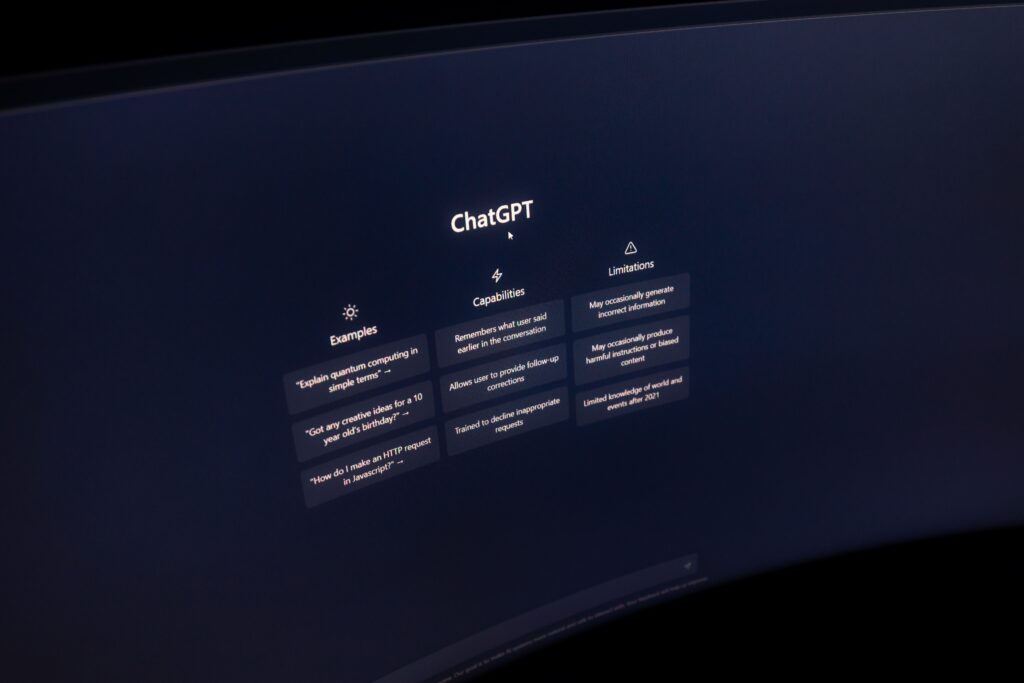
A computer screen with ChatGPT running

This user intent is continuing to change the stakes for digital PR and if your brand isn’t appearing in AI-generated answers, it may be missing from consideration entirely before users even reach Google. 

A useful way to assess your brands’ visibility is by running an AI mirror test. Simply ask AI tools who the leading brands are in your category, which organisations are most trusted, or which products or providers are best known. From there, you can then compare where your competitors are ranking and how they are described, along with which sources are shaping those perceptions. 

What’s important to note is that AI systems are increasingly favouring niche, specialist publications over mainstream outlets, alongside first-person reviews and community signals on platforms like Reddit. While traditional, top-tier media coverage is still highly valuable, it’s no longer sufficient on its own to guarantee visibility in AI tools.  

Build trust in layers, not just headlines 

Another key theme we’re seeing here at Hatch, is that search engines are no longer just ranking pages, they’re evaluating entities that they deem as trustworthy.  

Essentially this means that the likes of Google and AI systems are looking for consistent signals of trust across the wider web, not just a single strong news article. This trust can be broken down into five key layers: identity, provenance, experience, reputation, and brand demand. 

A stack of newspapers in black and white

If your brand is missing strength in even one of these areas, its overall authority will become harder to validate, so it’s important to ensure there is strong external validation across these five key pillars.  

For brands, this means reviewing your strategy and viewing trust as a quality evaluation framework. Look at running a trust audit and score your brand from 0-5 across the five key layers. For example, you can strengthen your brand identity by ensuring you have evidence online of a real-world presence by displaying office locations and contact details or increase provenance by adding founder and leadership profiles on your website. In addition, you can monitor brand demand by regularly checking branded searches or repeat website visits.  

One key question to ask yourself is if your brand’s website was to disappear tomorrow, would the internet still confirm your expertise and find evidence that it’s an expert in its sector? If so, you’re on the right track.  

By regularly running this audit, you can then build a better understanding and measure what truly matters.  

If you’re looking to increase visibility or uncover gaps in your trust profile, here at Hatch, we can help create a strategy that truly drives long-term impact.

Get in touch by contacting hello@hatch.group

The internet is currently experiencing a major issue. Over 50% of online articles have been reported as generated by AI, resulting not only in content saturation but masses of low-quality information circling online.  

And for many brands, it’s creating a very specific problem – standing out. 

The conversation at Brighton SEO this April reflected a shift that many PRs are experiencing. Digital PR is no longer about securing links or generating endless media coverage. Instead, it’s about making sure that your brand is as visible as possible in systems that shape consumer discovery, from search engines to AI platforms.  

AI tools and Google are continuously being flooded with repetitive, generic content, which creates a real risk of invisibility for brands, and even the strongest of campaigns are getting lost in all the noise due to not generating signals that are deemed as trustworthy. 

So how can brands tackle this? Here are some effective ways to improve how they’re understood by both search engines and AI functions.  

Use AI as a discovery layer 

Google recently reported that its AI overview reaches 2.5 billion monthly active users across the globe, highlighting how it’s no longer being used as a tool, but a discovery layer. AI-generated responses are becoming increasingly longer, more exploratory, and more intent-rich than traditional search queries.  

For many consumers, these sorts of functions have become one of the first places that they turn to when they need recommendations or answers. We’re seeing consumers use systems like ChatGPT, Claude and Gemini for absolutely everything, whether it’s planning a holiday or deciding which home appliance to purchase. People are even using it for medical advice, with recent research from Kings College London revealing that 1 in 7 people have used AI instead of seeing a GP.  

A computer screen with ChatGPT running

This user intent is continuing to change the stakes for digital PR and if your brand isn’t appearing in AI-generated answers, it may be missing from consideration entirely before users even reach Google. 

A useful way to assess your brands’ visibility is by running an AI mirror test. Simply ask AI tools who the leading brands are in your category, which organisations are most trusted, or which products or providers are best known. From there, you can then compare where your competitors are ranking and how they are described, along with which sources are shaping those perceptions. 

What’s important to note is that AI systems are increasingly favouring niche, specialist publications over mainstream outlets, alongside first-person reviews and community signals on platforms like Reddit. While traditional, top-tier media coverage is still highly valuable, it’s no longer sufficient on its own to guarantee visibility in AI tools.  

Build trust in layers, not just headlines 

Another key theme we’re seeing here at Hatch, is that search engines are no longer just ranking pages, they’re evaluating entities that they deem as trustworthy.  

Essentially this means that the likes of Google and AI systems are looking for consistent signals of trust across the wider web, not just a single strong news article. This trust can be broken down into five key layers: identity, provenance, experience, reputation, and brand demand. 

A stack of newspapers in black and white

If your brand is missing strength in even one of these areas, its overall authority will become harder to validate, so it’s important to ensure there is strong external validation across these five key pillars.  

For brands, this means reviewing your strategy and viewing trust as a quality evaluation framework. Look at running a trust audit and score your brand from 0-5 across the five key layers. For example, you can strengthen your brand identity by ensuring you have evidence online of a real-world presence by displaying office locations and contact details or increase provenance by adding founder and leadership profiles on your website. In addition, you can monitor brand demand by regularly checking branded searches or repeat website visits.  

One key question to ask yourself is if your brand’s website was to disappear tomorrow, would the internet still confirm your expertise and find evidence that it’s an expert in its sector? If so, you’re on the right track.  

By regularly running this audit, you can then build a better understanding and measure what truly matters.  

If you’re looking to increase visibility or uncover gaps in your trust profile, here at Hatch, we can help create a strategy that truly drives long-term impact.

Get in touch by contacting hello@hatch.group

Latest Insights

A football with red green blue and black patterns on a green grass pitch

June 2026 //

Thought Leadership

The Difference Between Sponsoring Sport and Showing Up

Young person holds a pink phone with green grass in the background

June 2026 //

Thought Leadership

What the Social Media Ban Means for Brands

Contact Hatch

Contact us

What are you waiting for? Get in touch Now