



For a long time, women’s sport sponsorship was treated a bit like the garnish on a plate – nice to have, rarely the main event, and easy to leave off if the budget got tight. That is changing, and quickly. Crowds are bigger, broadcast deals are better, and brands that once needed convincing are now asking how they can get involved.
The likes of WSL teams are bringing in record-breaking commercial deals – Emirates’ latest expansion of their deal across the full Arsenal club is a great example of that power. But what about those clubs and sports who are yet to see that direct investment, and are still very much in their infancy?
Here’s a question worth asking… if demand is growing, why are so many clubs still selling the women’s team as a side dish or an optional extra? What if, instead, they made it part of the deal?
The idea
Picture a club with both a men’s and a women’s team, whether that’s football, rugby, netball, cricket, or basketball. A brand approaches about sponsoring the men’s side, which is a well-established, high-visibility property. Rather than treating the women’s team as a separate conversation (or no conversation at all), the club says: “Great, here’s our partnership package. It covers both teams, with a meaningful investment and activation guide for each.”
It’s a simple proposition, and it shifts the dynamic. The club stops being a supplicant hoping a brand might take an interest in its women’s team. It becomes a rights holder with a clear position on the kind of partners it wants.
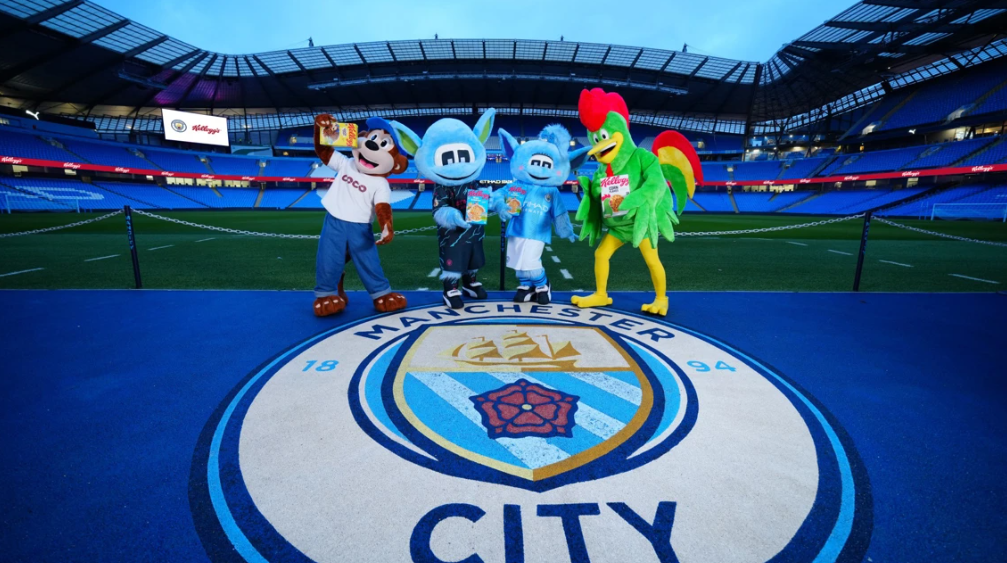
2023 saw Man City enter into a multi-year partnership with Kellogg’s to become the Club’s Official Breakfast Cereals partner of both the men’s and women’s first teams.
Why now?
Part of the answer is commercial. Women’s sport in the UK has moved well beyond the “emerging” label. The audiences are growing, they are often younger and more diverse than traditional sport audiences, and they engage in ways that brands find valuable. Fans of women’s sport tend to be loyal and receptive to the brands that back the teams they love.
Part of it is about values. Many brands now have credible commitments on inclusion, gender equity, and community impact, and their sponsorship portfolios are increasingly expected to reflect them. A partner that only backs the men’s team of a club with a thriving women’s side sends a mixed message, and audiences notice.
The final part of it is about leverage. Clubs have been on the receiving end of brand priorities for years. Being more selective about who they partner with, and on what terms, is a reasonable way of protecting long-term value.
What a combined package could deliver
For clubs, the benefits are fairly clear:
- Sustainable investment. Bundling links the women’s team’s funding to the club’s most commercially established assets, rather than leaving it dependent on separate, sometimes smaller, deals.
- Stronger brand coherence. One club identity, one set of values, and partners who support all of it.
- Better partner quality. A requirement to invest across both teams tends to filter for brands that are in it for the long haul, not those looking for a quick logo placement.
- Simpler storytelling. A single narrative around “the whole club” is easier to sell to fans, media, and the community.
For brands, the case is just as strong:
- Broader reach. Access to two distinct but overlapping audiences, including fans who might not be reached through the men’s team alone.
- Authenticity. Backing the whole club reads as genuine commitment rather than opportunism.
- Fresh activation opportunities. Women’s teams often offer more accessible players, more community engagement, and content that feels less over-produced.
- Value for money. In many cases, women’s sport still offers strong returns relative to the investment, though that gap is narrowing, which is all the more reason to get in early.
The practicalities
Of course, “just bundle it” is easier said than done. A few things are worth thinking through.
Make it a partnership, not a penalty. If the women’s team element feels like a tax on the “real” deal, brands will resent it and the activation will be half-hearted. The women’s investment needs its own clear value proposition: audience insights, content opportunities, and measurable outcomes. That won’t work for every brand and every club, so some flex is needed.
Set the minimum commitment thoughtfully. A token gesture defeats the purpose, but an unrealistic minimum could scare off good partners. A tiered structure can help, with baseline commitments that scale with the size of the overall deal.
Price honestly. Don’t discount the women’s team rights so heavily that it signals lower value, and don’t inflate them beyond what the market will bear. Transparent, evidence-backed pricing builds trust on both sides.
Activate properly. This is where many partnerships stumble. Signing the contract is the easy bit. Real value comes from integrated campaigns, shared content, joint appearances, and community programmes that give both teams the visibility they deserve.
Know your audience data. The more clubs can show who is actually watching, attending, and engaging with the women’s side, the stronger the case becomes. Good data does a lot of the persuading.
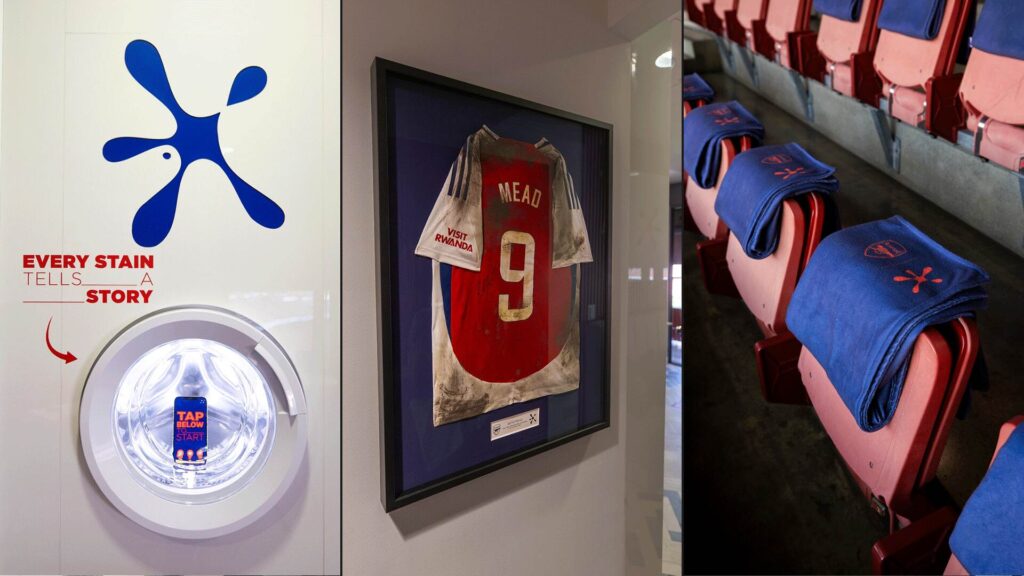
Arsenal’s partnership with Unilever’s Dirt is Good brand is the perfect example of authentic activation and understanding your audience
Credit: https://mgempower.com/case-studies/persil-arsenal/
Anticipating the pushback
Some brands will say they only want one team, and that’s a fair starting position. But it’s also a useful conversation starter. Why the preference? Is it about budget, audience, or perception? Often the answer reveals an assumption that no longer holds up, and clubs that can present a confident, evidence-based case may find that the objection dissolves faster than expected.
Others may simply walk away, and that’s okay. A partnership built on reluctance won’t serve anyone. Being clear about your values may cost you the occasional deal, but it protects the ones that matter.
Timing and trust
One more thing worth saying – this approach works best when it comes from a place of genuine club-wide belief. If the women’s team is already treated as second-tier internally, a bundled sponsorship model will quickly expose that gap. Getting the fundamentals right, from facilities and scheduling to visibility and staffing, makes the commercial argument much easier to land.
The bigger picture
Combined packages aren’t a silver bullet, and they won’t suit every club or every sport. But they represent a shift in mindset that feels overdue: from asking brands to consider women’s sport to expecting them to invest in it as part of a whole-club partnership.
For those of us working in comms and sponsorship, that’s an exciting space to be in. We can help shape the conversations, sharpen the narratives, and push for partnerships that stand for something. Clubs that are bolder about who they work with may well find that the right brands are ready to meet them there.
After all, the best partnerships aren’t just about who’s on the shirt. They’re about who’s in the whole squad.