


Hatch Communications

Thought Leadership

Modern Traveller Behaviour Has Changed. Has Your Strategy?

by Daisie Whitaker

The way that people travel has changed dramatically over the last few years, but 2026 marks something bigger than fluctuations in destination trends or booking habits. It’s a fundamental change in why people travel, how they make decisions and what they expect from the brands they choose.

Economic uncertainty, evolving lifestyles, AI, social media and changing consumer values have all reshaped the travel landscape. Today’s traveller is more intentional, more informed and more emotionally driven than ever before. Understanding these behavioural shifts isn’t just interesting; it’s become essential.

We’ve recently delved into this changing traveller mindset in our inaugural Checked In report, The Modern Traveller, where we uncover the behaviours influencing everything from destination choice to booking decisions. While I won’t spoil all the insights here, a few patterns are already reshaping the industry in powerful ways.

Travel is becoming more purpose-led

One of the most significant shifts is that travel is no longer just about escape; it’s about meaning. Consumers are increasingly choosing experiences that reflect their interests, values and wellbeing, prioritising trips that feel personally rewarding rather than simply ticking off destinations.

Sustainability also continues to evolve from a “nice to have” into a more considered expectation. Consumers are becoming more aware of their environmental impact, but also more critical of vague or surface-level claims. Travellers have become more selective in the brands they trust, expecting clearer action and authenticity, with interest in responsible and regenerative travel steadily increasing, particularly among younger demographics.

Shorter, smarter, more frequent trips

We’re seeing a clear change in how people structure their travel year. Instead of relying on a single annual holiday, many consumers are opting for multiple shorter breaks, spreading travel across the year to balance cost, flexibility and lifestyle demands. This shift is particularly strong among younger travellers, who are prioritising spontaneity and experience variety over traditional long-haul planning cycles.

Travel remains one of the most protected areas of consumer spending. Even as financial pressure continues to influence household budgets, a large proportion of travellers are still prioritising holidays over other discretionary purchases. While price remains important, it is no longer the sole driver of decision-making. Consumers are increasingly asking whether an experience is “worth it” in emotional terms, ultimately driving demand for more meaningful, flexible and memorable travel experiences, whether that’s connection, relaxation, adventure or personal growth.

The rise of non-linear travel planning
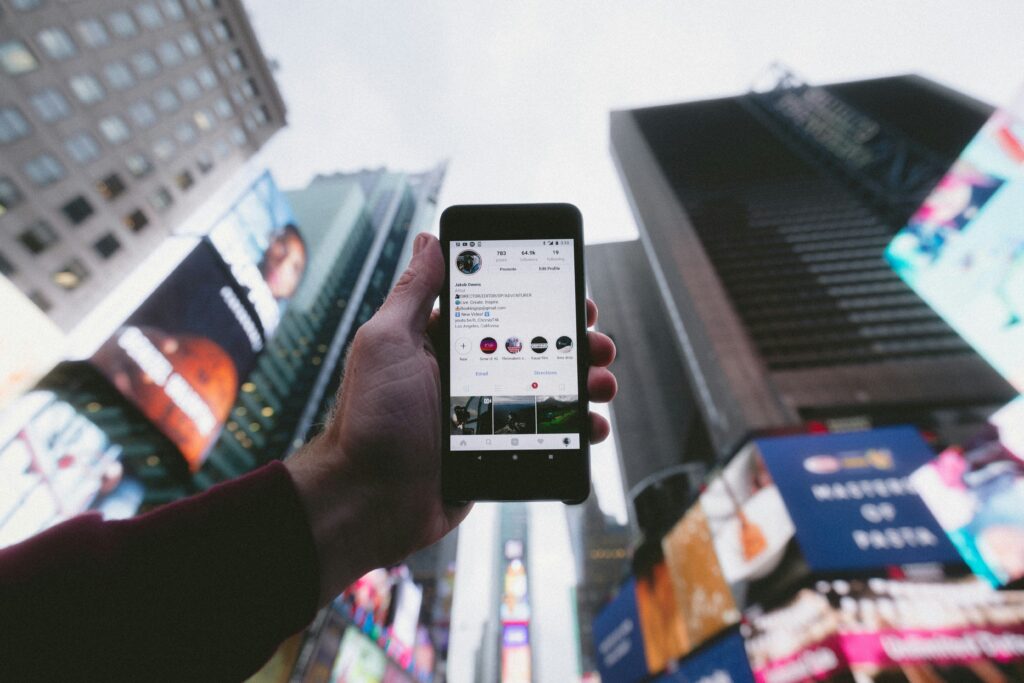
The customer journey has become far less predictable. LLMs, social media platforms, creators, review sites and search engines are all playing a role in shaping decisions, but not in a fixed order. Instead of a traditional funnel, travellers are moving fluidly between inspiration and booking touchpoints. In fact, a growing number of consumers use multiple digital sources before even narrowing down a destination, making cross-channel visibility more important than ever.

If you’re reshaping your strategy for the second half of the year, or looking ahead to 2027, now is the time to understand what is driving the modern traveller mindset.

Download the full Checked In: The Modern Traveller report to explore these trends in full.

The way that people travel has changed dramatically over the last few years, but 2026 marks something bigger than fluctuations in destination trends or booking habits. It’s a fundamental change in why people travel, how they make decisions and what they expect from the brands they choose.

Economic uncertainty, evolving lifestyles, AI, social media and changing consumer values have all reshaped the travel landscape. Today’s traveller is more intentional, more informed and more emotionally driven than ever before. Understanding these behavioural shifts isn’t just interesting; it’s become essential.

We’ve recently delved into this changing traveller mindset in our inaugural Checked In report, The Modern Traveller, where we uncover the behaviours influencing everything from destination choice to booking decisions. While I won’t spoil all the insights here, a few patterns are already reshaping the industry in powerful ways.

Travel is becoming more purpose-led

One of the most significant shifts is that travel is no longer just about escape; it’s about meaning. Consumers are increasingly choosing experiences that reflect their interests, values and wellbeing, prioritising trips that feel personally rewarding rather than simply ticking off destinations.

Sustainability also continues to evolve from a “nice to have” into a more considered expectation. Consumers are becoming more aware of their environmental impact, but also more critical of vague or surface-level claims. Travellers have become more selective in the brands they trust, expecting clearer action and authenticity, with interest in responsible and regenerative travel steadily increasing, particularly among younger demographics.

Shorter, smarter, more frequent trips

We’re seeing a clear change in how people structure their travel year. Instead of relying on a single annual holiday, many consumers are opting for multiple shorter breaks, spreading travel across the year to balance cost, flexibility and lifestyle demands. This shift is particularly strong among younger travellers, who are prioritising spontaneity and experience variety over traditional long-haul planning cycles.

Travel remains one of the most protected areas of consumer spending. Even as financial pressure continues to influence household budgets, a large proportion of travellers are still prioritising holidays over other discretionary purchases. While price remains important, it is no longer the sole driver of decision-making. Consumers are increasingly asking whether an experience is “worth it” in emotional terms, ultimately driving demand for more meaningful, flexible and memorable travel experiences, whether that’s connection, relaxation, adventure or personal growth.

The rise of non-linear travel planning

The customer journey has become far less predictable. LLMs, social media platforms, creators, review sites and search engines are all playing a role in shaping decisions, but not in a fixed order. Instead of a traditional funnel, travellers are moving fluidly between inspiration and booking touchpoints. In fact, a growing number of consumers use multiple digital sources before even narrowing down a destination, making cross-channel visibility more important than ever.

If you’re reshaping your strategy for the second half of the year, or looking ahead to 2027, now is the time to understand what is driving the modern traveller mindset.

Download the full Checked In: The Modern Traveller report to explore these trends in full.

Latest Insights

September 2026 //

Thought Leadership

Modern Traveller Behaviour Has Changed. Has Your Strategy?

August 2026 //

Thought Leadership

Checked In Report: What the Modern Traveller Wants in 2026

Contact Hatch

Contact us

What are you waiting for? Get in touch Now