

As the 2026 festival season draws to a close, one thing that has stood out is just how much competition there is for brands to be part of it.
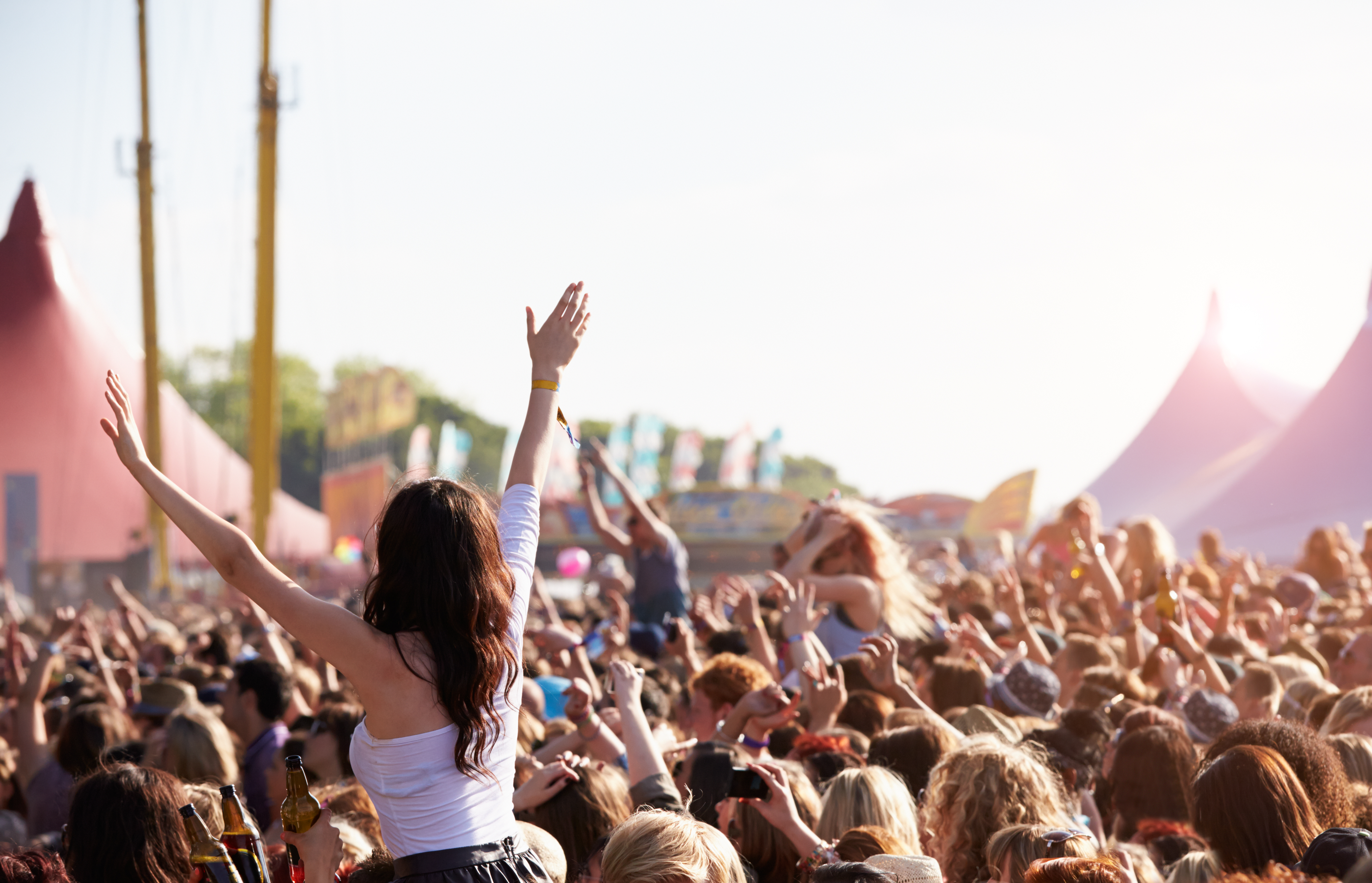
From All Points East to Reading & Leeds, Latitude and beyond, brands are increasingly looking beyond traditional sponsorship and rather how to actually become part of the festival experience.
From sponsorship to participation
This year, AEG announced 15 new brand partners, including Meller, Bumble, Flannels, Converse, K-Way and Diesel Fragrance. AEG described the partnerships as brands exchanging visibility for “participation and cultural relevance”, with Gen Z and Millennials making up 71.4% of the festival audience.
For brands, the appeal is obvious. Festivals bring together large, engaged audiences in a setting where people are already looking to discover new things, spend time with friends and create memories. As more brands compete for attention, simply being there is no longer enough.
Looking at Reading & Leeds Festival partnerships, Co-op launched an on-site store where festivalgoers can buy everything from water and snacks to toiletries, while Vodafone is providing swappable power banks and a viewing platform. Captain Morgan has its own Yard Party, combining drinks with games and sampling, and Big Green Coach owns the journey to the festival itself, providing coach travel directly to the gates.
Co-op’s presence is a particularly good example. Rather than simply putting its logo around the site, the retailer has effectively brought the high street into the campsite. Its festival stores have become such a fixture that Co-op has now extended its partnership with five Live Nation UK festivals through to 2031.
View this post on Instagram
Whilst these are different propositions, they have something in common, they solve a problem or add something to the traditional festival experience.
Why festivals are becoming more attractive to brands
People are increasingly looking for experiences they can participate in, rather than simply consuming another piece of advertising. Festivals offer brands a ready-made environment for that.
Music festivals sit at the intersection of music, fashion, food, beauty, travel, friendship and social culture. That gives brands an opportunity to connect themselves with an existing passion rather than trying to manufacture one.
For a fashion brand, that might mean owning festival style and for a beauty brand, it could mean helping people get ready for a long day in the sun.
For a drinks brand, it could be creating somewhere people actually want to spend time.
The opportunity is not to make every brand look like a festival brand. It is to find the part of the festival experience that the brand has a legitimate reason to own.
The PR and social opportunity
A festival activation can do considerably more than drive footfall on the day and can become the centre of a much bigger communications ecosystem.
It can become a PR story, give creators a reason to attend, generate photography and video and provide a stream of social content and user-generated content. Festivals can create opportunities for sampling, competition mechanics and product trial as well as giving people something to talk about after the festival has finished.
This is particularly important as brands look for ways to make social content feel less manufactured. Give people something genuinely worth experiencing and there is a much better chance that they will create the content themselves.
The opportunity is not limited to the biggest festivals
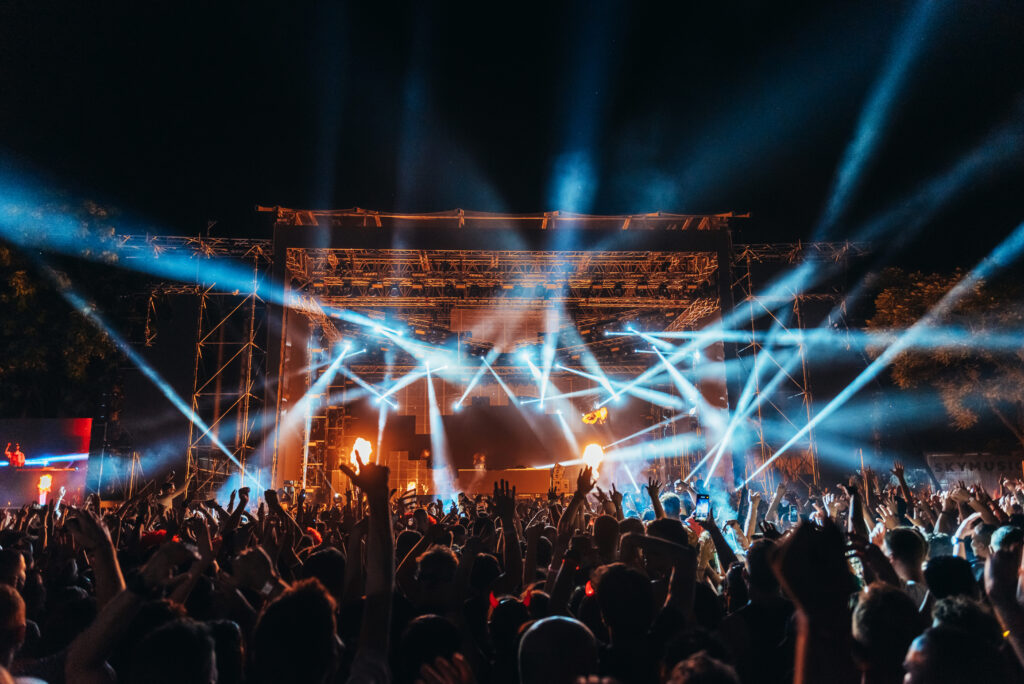
It is easy to think that festival activation is only relevant to the likes of the UK’s most well-known music festivals. However, Co-op’s 2026 activity demonstrates the breadth of the opportunity. This summer, its festival stores have appeared across eight UK festivals, including Download, Isle of Wight, Latitude, Belladrum, Kendal Calling, Reading, Leeds and Creamfields.
Meanwhile, AB InBev announced an exclusive UK partnership with Live Nation in January, giving its beer and cider brands access to more than 20 festivals as well as Live Nation venues and outdoor shows across the country.
The result is an increasingly sophisticated festival ecosystem, with brands able to choose partnerships based on audience, location, music genre and the role they want to play.
What can brands learn from 2026?
- Start with the audience, not the festival – The fact that a festival attracts the right demographic is not enough. Brands need to understand what that audience actually wants from the experience and where they can add value.
- Build something people would want without the logo – If the only reason someone interacts with an activation is because there is a freebie attached, it is unlikely to create much lasting impact. The experience itself also needs to have value.
- Think PR and social from the start – An activation should not be treated as a standalone experiential project. What is the story? What will people share? Which creators or media would genuinely want to be there? Is there an opportunity for longevity after the festival is over?
- Don’t confuse scale with impact – The biggest footprint is not necessarily the most effective. A useful service, a well-timed experience or a genuinely good idea can have more impact than a huge, branded structure that people walk straight past.
If you’re planning your next festival activation and want to make your brand unmissable, get in touch at hello@hatch.group.